
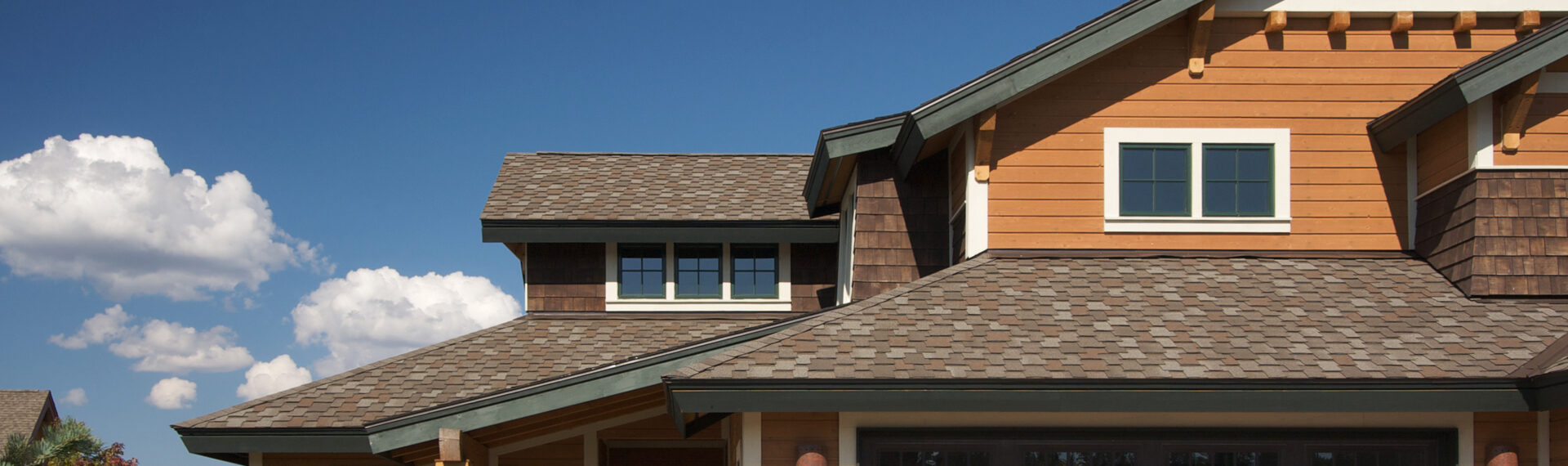

Heavy storms can do more than leave a mess—they can damage your roof and lead to costly repairs. In Houston and nearby areas, wind, hail, and heavy rain can quickly turn a small leak into a much bigger issue.
That’s where Big Easy Roof Claims comes in. We help homeowners stay ahead of storm damage with free roof inspections, prompt repairs, and clear documentation to support your insurance claim process. If you’ve noticed a leak—or even just suspect damage—this guide walks you through what to look for and what steps to take next.
Need help now? Contact us today to schedule your free roof inspection and get professional support identifying water damage after a storm.
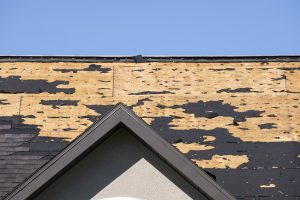 Storms can do serious damage in just minutes—ripping shingles, cracking flashing, and knocking debris onto your roof. Water finds its way in through these vulnerable spots, often soaking insulation and wood framing below.
Common causes of leaks after a storm include missing or lifted shingles, cracked vent flashing, clogged gutters, and roofs that are nearing the end of their lifespan. Homes with roofs over 15 years old are especially prone to leaks during heavy weather.
Even if your roof looks fine from the ground, hidden issues can still be present. That’s why we recommend scheduling roof inspections at least twice a year—especially after a major storm.
Many homeowners have questions about whether roof leaks from a storm are covered by insurance. While every policy is different, here are a few general things to keep in mind:
Mold is sometimes addressed in policies—but typically only if it results from a sudden, covered event and is addressed right away. Drying wet areas, removing damaged materials, and using dehumidifiers immediately can help reduce further problems.
Some homeowners choose to add mold coverage separately—check with your insurance provider to understand your options
Once a storm clears, do a visual inspection of your property—starting from the ground. Never climb onto your roof unless conditions are dry and it’s safe to do so.
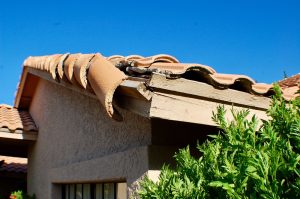 Walk the perimeter of your home and look for shingles on the ground, bent or missing flashing, piles of debris on the roof, and sagging or detached gutters. Standing water along roof edges may indicate clogged drainage. Use binoculars for a better view from a distance. If something looks off, it’s a good time to schedule a professional inspection.
Your attic can reveal problems before they appear in your living space. Watch for wet insulation, musty smells, or discoloration on wood surfaces. Water stains on rafters or small beams of light shining through the roof boards may point to active leaks.
If you have access to a moisture meter or thermal camera, these can help identify areas that need further attention.
