
When your roof is damaged after a storm, you may be unsure whether repairs will be enough or if it’s time for a full replacement.
At Big Easy Roof Claims, we inspect storm-damaged roofs, document what we find, and provide estimates that help homeowners understand the scope of the repair or replacement needed. If you’re unsure what condition your roof is in, it’s better to take action before a small issue turns into a costly problem.
This guide breaks down the difference between repairs and full replacement, what affects those decisions, and how homeowners typically approach storm-related roof concerns.
If you suspect damage or haven’t had your roof checked recently, contact us today for a free inspection. We’ll help you understand what needs attention—so you’re not left guessing.
A small leak, damaged flashing, or a few missing shingles might seem minor—but if left unchecked, these issues can turn into major problems. In contrast, widespread hail impacts or structural concerns often signal the need for a full replacement.
There’s no universal rule. Instead, the decision depends on a mix of practical and structural factors:
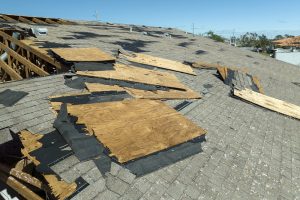 Damage extent: Repairs may be possible when damage is isolated. But if a storm compromises a large percentage of your roof, a replacement is often more reliable.
Your roofing material also plays a key role. Metal, tile, and upgraded asphalt systems all react differently under storm stress. Some are easier to patch; others require full-section replacement for consistency and performance.
After a storm, it’s a good idea to have your roof inspected—even if the damage isn’t immediately visible. Some issues take time to show, and early signs can be easy to miss from the ground.
A typical inspection begins with a surface review. This includes checking for missing shingles, granule loss, soft spots, punctures, and any visible signs of hail or wind impact. Areas around vents, flashing, and chimneys are also reviewed, as these are common entry points for water.
If interior access is available, the attic may reveal additional signs of concern. Moisture, staining, or visible light through the roof decking can all point to leaks that haven’t reached the ceiling yet.
Once the inspection is complete, homeowners are usually provided with a summary of the findings, photos of any damage, and a recommendation for repair or further evaluation if needed.
Your roof’s material doesn’t just affect the look of your home—it influences how your roof performs in a storm, how damage is assessed, and what type of repair options are realistic.
 Asphalt shingles (15–20 year life): Easier to repair when new, but more vulnerable to damage over time
In storm-prone regions like Houston, the choice of roofing materials can also affect how frequently you’ll need inspections or minor maintenance. The stronger the material, the more resilient your home may be in the long run.
Your roof’s age and your insurance policy type can influence how damage-related costs are handled—but the decisions ultimately rest with your insurer.
Homeowners often encounter two types of coverage when reviewing their documents:
RCV policies may offer more extensive coverage for newer or upgraded roofing systems. ACV-based policies usually cost less up front but can result in higher out-of-pocket expenses after a storm.
Roof age also affects repair feasibility. A 5-year-old asphalt roof may be patched without compromising performance, while a 20-year-old roof might not respond well to small repairs. That’s why routine inspections and proper maintenance are so important—they help you make decisions based on facts, not guesswork.
When reviewing your policy, it’s helpful to understand how deductibles and coverage limits work in the context of storm damage:
While roofers can’t interpret your policy, we recommend reviewing these items with your provider, especially after major storms.
Having a record of your roof’s condition before and after a storm gives you a strong foundation—literally and figuratively. Whether or not you file a claim, documentation provides proof of upkeep and highlights any sudden changes.
 Keep the following on hand:
This kind of organized file can help you stay proactive and ready to take action when needed.
There’s no shortcut to this decision. A proper assessment by a roofing professional will help you weigh the cost, the condition, and the long-term performance of your current system.
If your roof is aging, has extensive damage, or was installed with outdated materials, replacement may offer more peace of mind. But if damage is isolated and the roof still has useful life left, targeted repairs may be enough.
Whether you’re dealing with a leak, recent storm damage, or just want to understand your options, we’re here to help.
At Big Easy Roof Claims, we don’t pressure you—we inspect, document, and give you honest feedback so you can decide with confidence.
Call us to schedule your free roof inspection today and let us give you the information you need to make a smart decision for your home.
