
If you live in Houston, you know how fast the weather can turn. One moment it’s clear, and the next, alerts about strong winds, heavy rain, or flash flooding light up your phone. With hurricane season lasting from June through November, preparing your home and family isn’t optional—it’s necessary.
At Big Easy Roof Claims, we’ve worked with Houston homeowners to inspect roofs and identify potential issues before storm season arrives. This guide walks you through how to get your home ready, what supplies to keep on hand, and how to stay safe before and after severe weather.
Need a roof inspection? Contact us today to schedule a free visit. We’ll assess your roof and let you know if anything needs attention—so you’re better prepared before the next storm.
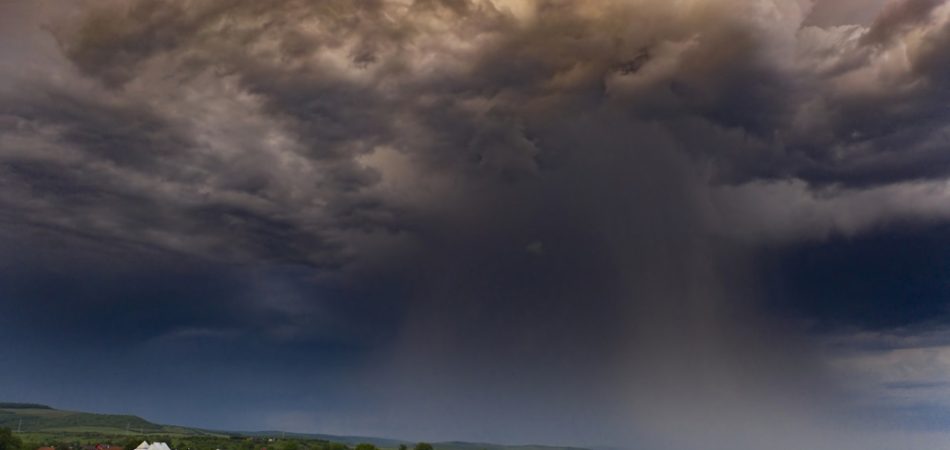
 Storm season officially begins in June and runs through November, with the most activity usually between August and September. Hurricanes and tropical storms from the Gulf can bring hail, wind, and heavy rain that lingers for days.
This weather can lead to roof leaks, siding damage, flooding, and extended power outages. The earlier you prepare, the better positioned you’ll be when storms roll in.
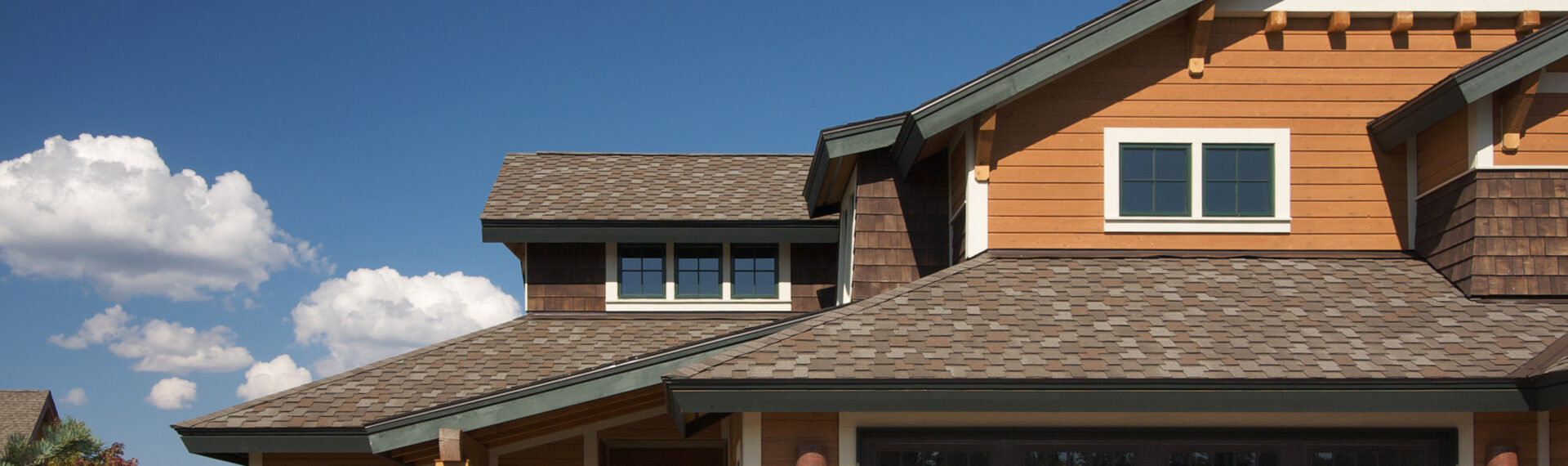
Your roof is the first line of defense against storm damage. Even a small issue—like one loose shingle—can turn into a leak during a heavy rain.
Before the season picks up, schedule a free roof inspection. At Big Easy Roof Claims, we check for:
After the inspection, we’ll share a clear summary of what we find and recommend next steps if needed. No pressure—just straightforward information to help you prepare.
When roads are flooded or the power is out, having basic supplies on hand matters. A well-prepared emergency kit should include:
Your emergency kit should include:
 Hygiene Items: Hand sanitizer, wipes, soap, and personal hygiene products
Customize your kit based on your household—especially for infants, pets, or medical needs. Review and refresh it every 6 months.
There are several quick actions you can take to reduce the risk of damage before a storm arrives. Bring in or secure anything outdoors that could become airborne—like patio furniture, flowerpots, or grills.
Trim tree branches that hang over your roof or power lines. Falling limbs are a common cause of damage during high winds. Clean out gutters and downspouts to help water drain correctly. Reseal windows and doors as needed, and test your sump pump or drainage system to confirm it’s working.
These small steps can go a long way once the wind and rain arrive.
Power outages are common during Houston storms. Taking care of a few things now can make a big difference later.
Here’s what to have ready:
Having backup power options helps you stay connected and comfortable until power is restored.
Review your insurance policies before storm season picks up. Not all homeowner policies cover wind, water, or hail damage, so understanding your coverage now helps you avoid surprises later.
Here are a few helpful steps:
Having this documentation ready can help support conversations with your insurance provider if damage occurs.
Evacuations don’t happen every season, but when they’re called, time matters. Being prepared means you can leave quickly and safely if needed.
Here’s what to include in your go-bag:
Know your evacuation zone, plan your route in advance, and let someone know where you’re going if you decide to leave early.
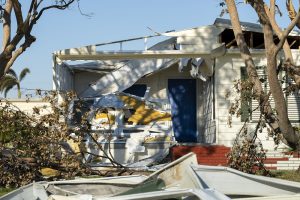 Even after the skies clear, hazards can still be present. Only return home once local officials confirm it’s safe. Avoid walking through floodwaters, as they may conceal sharp debris or downed power lines. When beginning cleanup, wear gloves, boots, and protective eyewear to help prevent injury.
Use flashlights instead of candles to reduce the risk of fire, especially if gas lines or leaks are a concern. If the power was out for more than four hours, it’s safest to discard perishable food to avoid health risks.
And if your roof shows signs of damage—or something doesn’t look quite right—schedule an inspection. Small issues can turn into major repairs if left unaddressed.
Unfortunately, not all contractors have good intentions after a storm. Some show up uninvited and use pressure tactics to get fast cash from homeowners in distress.
Be on alert for:
Always get written estimates, check their credentials, and report any questionable activity. Don’t let someone take advantage of your situation.
We’re not just another roofing company—we’re Houstonians. We live here. We’ve weathered the same storms you have, and we know what it takes to protect a home in this climate. We help homeowners prepare before the storm and inspect for damage after it passes.
We offer:
Storm season in Houston is unpredictable, but your response doesn’t have to be. The steps you take today—checking your roof, building an emergency kit, reviewing your insurance, and planning ahead—can help protect your home, your family, and your peace of mind when the weather turns.
At Big Easy Roof Claims, we’re here before the storm, not just after. Our team lives and works in the same communities we serve, and we understand what your roof needs to handle Gulf Coast weather.
Don’t wait for the next storm to test your roof. Call us today to schedule your free inspection. We’ll assess your roof’s condition and give you a clear summary—so you can move into storm season with more confidence and less stress.
