Home > Blog & Resources > Storm Damage Checklist: What to Document for Your Roof
Storm Damage Checklist: What to Document for Your Roof
Dealing with storm damage can feel overwhelming. Whether it’s caused by hail, strong wind, or heavy rain, it’s important to stay organized and respond quickly. Gathering the right documentation helps support the next steps—especially if you plan to speak with your insurance provider.
At Big Easy Roof Claims, we help homeowners identify roof damage and provide detailed inspection reports that can support your conversations with adjusters. Use this checklist to make sure you’ve documented everything you need after a storm.
Need help identifying roof damage? Contact us today to schedule a free inspection.
Accurate documentation supports your next steps after a storm.
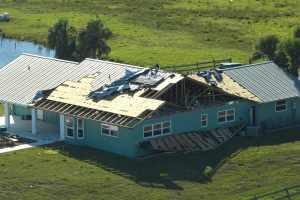
Take Photos and Videos: Capture detailed, timestamped photos and videos of all visible damage. This includes the roof, windows, gutters, siding, fallen trees, fences, and water intrusion areas.
Include the Surrounding Property: Photograph your yard, driveway, and other nearby structures where debris or wind may have caused damage.
Before and After Shots: If you have photos from before the storm, include them to show a visual comparison. If not, focus on capturing the current condition of your home once it is safe to do so.
Write Descriptions: Take notes about what was damaged, the date of the storm, when you first noticed the issue, and any safety concerns. Make sure these notes correspond to the photos you’ve taken.
2. Review Your Insurance Policy
Understanding your policy can help you know what kind of damage may be evaluated and how decisions are made.
Know Your Policy Type: Whether you have standard homeowners insurance, a separate windstorm policy, or flood coverage, each handles damage differently.
Check for Exclusions: Policies may exclude certain types of damage like flooding or mold. Take time to review what’s included and what may require additional coverage.
Know Your Deductible and Limits: Be aware of how much you are responsible for before any payout begins, and whether your policy sets a maximum coverage amount for your roof or related structures.
If you need help understanding your policy terms, contact your insurance provider directly.
3. Contact Your Insurance Provider
Once you’ve gathered documentation, notify your insurer.
Report the Damage: Be prepared to share basic information about the event, including the type of storm, when it occurred, and what was damaged. Include your photos, notes, and inspection documentation.
Claim Number: Request a claim number and keep it in your records for future communication.
Next Steps: Ask your insurer about their process and what they will need next. They may send an adjuster or request additional documents.
4. Schedule a Professional Roof Inspection
A licensed roofing contractor can assess storm damage and provide a detailed estimate.
Get a Full Roof Assessment: A qualified roofing contractor will inspect for lifted shingles, punctures, flashing damage, granule loss, and other storm-related issues. This includes areas not visible from the ground.
Ask for Documentation: Inspection reports with photographs and repair recommendations can support your conversations with your insurer and help you decide what repairs are needed.
Choose a Storm Damage Expert: Work with a contractor experienced in storm-related assessments to avoid missing hidden damage.
5. Get Written Repair Estimates
Estimates are useful for understanding the full scope and cost of repairs.
Request Multiple Quotes: It’s common to get two or more estim

 Take Photos and Videos: Capture detailed, timestamped photos and videos of all visible damage. This includes the roof, windows, gutters, siding, fallen trees, fences, and water intrusion areas.