
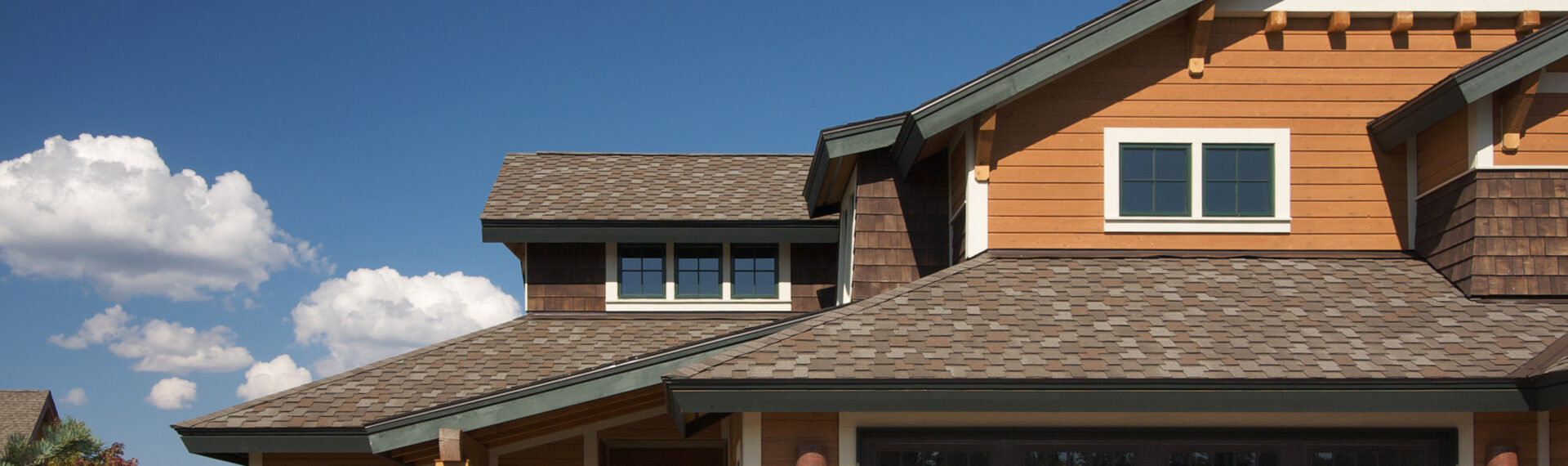

Hailstorms in Houston aren’t just loud—they can leave behind real damage. Roofs, siding, and windows can take a hit in minutes, and the repair costs often climb fast. But there’s a lot you can do ahead of time to reduce risk and protect your roof before the next storm rolls in.
At Big Easy Roof Claims, we help Houston homeowners prepare. From roof inspections to material upgrades, we offer real solutions that strengthen your home against hail and help avoid major repair costs later on.
Want help getting your roof storm-ready? Contact us today to schedule a free inspection and learn how to reduce your risk before the next hailstorm hits.
In cities like Houston, where strong storms are common, taking preventive steps is a smart move. One hailstorm can crack shingles, dent siding, and damage windows in minutes. Preparing your roof early can help reduce the need for emergency repairs later.
 Materials like Class 4 impact-resistant shingles are designed to handle heavy hail and can lower the chances of major roof damage. These upgrades also support long-term durability and help preserve your home’s value. Some insurance providers may offer premium discounts for using these materials—check with your carrier to learn more.
In areas like Katy, Sugar Land, and The Woodlands, quality roofing and proper preparation make a big difference. Hail damage costs U.S. property owners nearly $1 billion every year. Homeowners who invest in prevention often face fewer repairs and lower costs after a storm.
Not every home faces the same level of risk. Older structures, low-slope or flat roofs, and worn siding tend to be more vulnerable during hailstorms. Understanding your home’s condition helps you make informed decisions before storm season arrives.
Start with a visual check of your roof, gutters, siding, and fascia. Flat roofs are more exposed to direct hail impact. Older shingles may have lost granules over time, making them more prone to cracking. Gutters and downspouts dent easily, and fascia boards are often overlooked. Inspect these areas regularly, or have a professional take a closer look.
While Houston’s hail season usually peaks in spring and summer, storms can happen year-round. Cities like Pasadena, Spring, and Cypress are known for frequent storm activity. Stay updated with local forecasts and stay alert when hail is in the forecast.
Look for cracked shingles, deteriorating siding, or loose seals around windows and doors. These can allow hail and water to cause more damage. Applying protective coatings—such as elastomeric sealants—adds a flexible barrier that helps reduce impact and seal out moisture.
Some vulnerabilities are easy to miss without professional training. A qualified roofing contractor can identify risk points specific to your home’s structure and materials. At Big Easy Roof Claims, we provide roof assessments to help homeowners understand where improvements can reduce potential storm damage.
Your roof is the first line of defense against hail—and often takes the hardest hit. Strengthening it before storm season helps reduce the risk of damage and makes post-storm repairs more manageable.
Materials like Class 3 and Class 4 shingles are tested to withstand hail impact. SBS-modified asphalt, thicker panels (3.2mm or more), and standing seam metal roofs all offer greater durability. These options help reduce the chance of major damage during a storm.
Impact-resistant materials work best when supported by a solid roof structure. Reinforcing the deck and frame can improve performance under stress. Roofs with slopes near 45 degrees may also deflect hail more effectively than flat or low-slope roofs.
 Roof inspections twice a year—once before storm season and once after—can help catch small issues before they become serious. Fixing loose shingles, damaged flashing, or clogged gutters in advance lowers the risk of larger problems after a storm.
Impact-rated panels are designed to absorb force without cracking. Having extra panels or shingles on hand makes it easier to patch affected areas quickly and maintain a watertight seal after a storm.
Elastomeric roof coatings create a flexible barrier that cushions against hail and seals minor surface cracks. They’re especially effective on flat or metal roofing and may also help reduce heat absorption during warmer months.
Take action now to strengthen your roof and reduce the risk of major damage during storm season. Here’s what you can do:
Roof Protection Checklist:
You don’t have to figure it all out alone. Big Easy Roof Claims helps homeowners throughout Houston and nearby areas prepare their roofs for storm season. Whether you need an inspection, repairs, or upgrade recommendations, we’ll help you understand what your roof needs to stay protected.
Call us today at 832-304-8991 to schedule your free roof inspection and take a proactive step before the next hailstorm hits.
We’re here to help strengthen your roof—so it’s ready when the weather turns.
