
Dealing with roof damage is already stressful. Adding insurance paperwork, inspections, and timelines can make it worse — especially right after a storm.
At Big Easy Roof Claims, we’ve seen how small mistakes in the early stages can delay repairs or cause more confusion later. While we don’t handle insurance claims, we work with homeowners every day who are managing repairs through their insurance. Our job is to provide clear damage assessments and help keep your repair process on track.
Whether you’re repairing a home or commercial roof, knowing what to avoid after the storm matters. Here are some common missteps that can slow things down — and how to stay ahead of them.
Need help understanding the damage to your roof? We’re here to inspect, document, and guide you through the repair process once your claim is approved.
Contact us today to schedule your inspection. Let’s make sure nothing gets missed — and your roof gets repaired the right way.
One of the most common issues we see is homeowners contacting their insurance company without gathering enough proof of the damage.
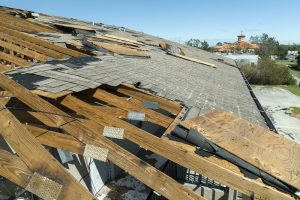 Skipping this step makes it harder to explain the full scope of the damage later. Without photos, videos, and detailed notes, the true condition of your roof might be missed — and that could affect your coverage or repair plan.
How to avoid it: Take photos of all visible roof damage from different angles. If possible, take short videos to show context. Write down the date of the storm and make notes about any leaks, missing shingles, or other damage to the home or property. If you have interior water stains, take photos of those, too. The more details you can provide, the stronger your repair documentation will be.
Many homeowners wait days or even weeks to take action after a storm. Sometimes they assume the damage isn’t serious. Other times, they’re unsure what steps to take next. Unfortunately, waiting can create complications. Most insurance policies have time limits for reporting damage, and delays could reduce your chance of approval or impact the payout.
How to avoid it: As soon as the storm passes and it’s safe to check the property, start documenting damage. Reach out to your insurance provider right away and begin lining up a contractor for inspection and estimates. The sooner you act, the more smoothly the process usually goes.
After a storm, it’s common for roofers to start knocking on doors offering quick fixes. But not every contractor is qualified or experienced in storm damage repairs. Some may offer prices that seem low up front, but that could lead to rushed work, vague estimates, or problems with insurance documentation.
How to avoid it: Choose a contractor who is licensed, insured, and experienced with storm-damaged roofs. At Big Easy Roof Claims, we specialize in storm-related roof damage and understand what insurance companies typically require when reviewing repair estimates. We don’t handle claims, but we do create clear, detailed, and itemized estimates that homeowners can use when working with their insurance adjuster.
Not all policies are the same. Homeowners sometimes assume they have full roof replacement coverage — only to find out later that their policy includes exclusions, depreciation clauses, or limits for certain types of damage. These details matter and can affect what your insurer agrees to cover.
How to avoid it: Take the time to read your policy before filing a claim. Look for any limitations on roof coverage, age-based exclusions, or specific deductibles that apply to storm-related damage. If anything is unclear, contact your insurance agent directly for clarification. The better you understand your coverage, the more prepared you’ll be when repairs begin.
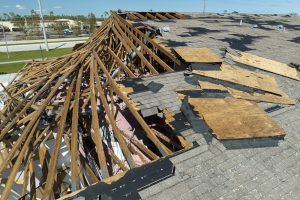 Sometimes, the first inspection doesn’t catch everything. If the adjuster or the first contractor misses part of the damage, you may not get the full repair you need. Getting only one opinion can limit your understanding of the actual damage to your roof.
How to avoid it: Always consider getting a second opinion. A follow-up inspection from a qualified roofing contractor can help confirm whether all damage was correctly identified. This step helps ensure nothing is missed and gives you more accurate information to work from when moving forward with repairs.
Adjusters rely on the information provided by the homeowner and contractor to assess the situation. If that information is incomplete or unclear, it could slow down the claim or lead to confusion about what repairs are needed.
How to avoid it: Share clear documentation with your adjuster — including photos, notes, and estimates. If we’re contracted to perform the repairs, Big Easy Roof Claims will walk the adjuster through the damage we’ve identified and explain the work we plan to perform. We don’t discuss financials or negotiate on your behalf, but we do help make sure the damage is presented clearly and supported with real evidence.
Homeowners are often surprised when their insurance payout is less than expected. This is usually because the insurance company subtracts depreciation based on the age and condition of the roof, and applies the deductible amount before issuing a check.
How to avoid it: Look through your policy and learn how depreciation is applied. Ask your insurer whether your policy covers actual cash value (ACV) or replacement cost value (RCV). Also, factor in your deductible when calculating what you’ll receive. Understanding these figures helps you plan for any out-of-pocket expenses once repairs begin.
Some contractors provide overly simplified estimates with little detail, such as “roof repair – $7,000.” These general estimates can make it difficult for insurance adjusters to understand what’s actually included — or to approve the work.
How to avoid it: Ask for a complete, itemized estimate. A detailed scope of work includes line items for materials, labor, and other related costs. This type of estimate supports the claim and gives both you and your insurer a clear picture of the repairs being proposed.
Throughout the process, you’ll likely speak with your adjuster, contractor, insurance agent, and possibly other professionals. If you don’t keep a record of those conversations, it can be hard to follow up or track details if something needs to be clarified later.
How to avoid it: Keep a folder or digital record of all correspondence. Save emails, take notes during calls, and keep a timeline of what was said and when. Having a paper trail gives you something to reference and helps protect you if anything is disputed later in the process.
 While insurance companies have a responsibility to process your claim, their goal is still to manage costs. If you assume they’ll handle every detail in your favor, you might miss things or accept a payout that doesn’t fully cover the repairs needed.
How to avoid it: Stay informed and involved from start to finish. Ask questions, review documents, and don’t hesitate to get clarification if something doesn’t make sense. If a repair is recommended that doesn’t fully match the damage, speak up. Staying engaged gives you more control and helps you get the repair work your home actually needs.
Filing an insurance claim for roof damage can feel overwhelming, but avoiding common mistakes makes the process easier. From documenting damage properly to contacting your insurance provider quickly and hiring a qualified contractor, the right steps can help prevent delays and confusion.
At Big Easy Roof Claims, we don’t handle claims — but we know how to support your repair process with detailed inspections, clear estimates, and reliable storm damage repairs. Once your claim is approved, we’re ready to complete the work and keep you informed at every step.
Call us today to schedule your inspection. Let’s take care of your roof the right way — so you can move forward with confidence.
