Storm Damage Checklist: What to Document for Your Roof
Dealing with storm damage can feel overwhelming. Whether it’s caused by hail, strong wind, or heavy rain, it’s important to stay organized and respond quickly. Gathering the right documentation helps support the next steps—especially if you plan to speak with your insurance provider.
At Big Easy Roof Claims, we help homeowners identify roof damage and provide detailed inspection reports that can support your conversations with adjusters. Use this checklist to make sure you’ve documented everything you need after a storm.
Need help identifying roof damage? Contact us today to schedule a free inspection.
1. Document the Damage Thoroughly
Accurate documentation supports your next steps after a storm.
 Take Photos and Videos: Capture detailed, timestamped photos and videos of all visible damage. This includes the roof, windows, gutters, siding, fallen trees, fences, and water intrusion areas.
- Include the Surrounding Property: Photograph your yard, driveway, and other nearby structures where debris or wind may have caused damage.
- Before and After Shots: If you have photos from before the storm, include them to show a visual comparison. If not, focus on capturing the current condition of your home once it is safe to do so.
- Write Descriptions: Take notes about what was damaged, the date of the storm, when you first noticed the issue, and any safety concerns. Make sure these notes correspond to the photos you’ve taken.
2. Review Your Insurance Policy
Understanding your policy can help you know what kind of damage may be evaluated and how decisions are made.
- Know Your Policy Type: Whether you have standard homeowners insurance, a separate windstorm policy, or flood coverage, each handles damage differently.
- Check for Exclusions: Policies may exclude certain types of damage like flooding or mold. Take time to review what’s included and what may require additional coverage.
- Know Your Deductible and Limits: Be aware of how much you are responsible for before any payout begins, and whether your policy sets a maximum coverage amount for your roof or related structures.
If you need help understanding your policy terms, contact your insurance provider directly.
3. Contact Your Insurance Provider
Once you’ve gathered documentation, notify your insurer.
- Report the Damage: Be prepared to share basic information about the event, including the type of storm, when it occurred, and what was damaged. Include your photos, notes, and inspection documentation.
- Claim Number: Request a claim number and keep it in your records for future communication.
- Next Steps: Ask your insurer about their process and what they will need next. They may send an adjuster or request additional documents.
4. Schedule a Professional Roof Inspection
A licensed roofing contractor can assess storm damage and provide a detailed estimate.
- Get a Full Roof Assessment: A qualified roofing contractor will inspect for lifted shingles, punctures, flashing damage, granule loss, and other storm-related issues. This includes areas not visible from the ground.
- Ask for Documentation: Inspection reports with photographs and repair recommendations can support your conversations with your insurer and help you decide what repairs are needed.
- Choose a Storm Damage Expert: Work with a contractor experienced in storm-related assessments to avoid missing hidden damage.
5. Get Written Repair Estimates
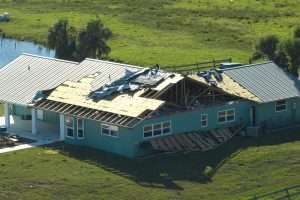
Estimates are useful for understanding the full scope and cost of repairs.
- Request Multiple Quotes: It’s common to get two or more estimates, especially for major repairs. This helps you compare labor, materials, and timelines.
- Request a Detailed Breakdown: Your estimate should clearly outline labor, materials, permits, and any temporary work that may be needed.
- Keep Everything in Writing: Store all estimates in a secure folder for reference during your review process.
6. Keep Receipts for Temporary Repairs and Emergency Costs
If temporary repairs are needed to prevent additional damage, track all expenses.
- Emergency Repairs: Save receipts for materials or services used to cover leaks, board windows, or secure broken structures.
- Temporary Living Expenses: If the storm damage makes your home unlivable, keep receipts for lodging, meals, and other displacement-related costs. Some policies include loss-of-use coverage, but eligibility varies.
7. Organize All Documents and Communication
Staying organized helps you keep track of everything as the repair process moves forward.
- Create a Claim Log: Note dates, names of representatives, and details of every phone call or meeting with your insurer or service providers.
- Maintain a Central Folder: Include your inspection report, receipts, estimates, emails, letters, and claim number all in one place. Digital copies can also be helpful.
8. Follow Up on Inspections or Requests
Keep in touch with your provider if they’ve scheduled an inspection or requested additional documents.
- Watch Deadlines: Policies often have time limits for filing damage reports or submitting repair documentation. Review these timelines early in the process.
- Check Status Regularly: If it’s been a while since you’ve heard back, it’s okay to follow up and ask about your claim’s progress.
9. Know the Role of Contractors and Adjusters
It’s important to understand who does what in the process.
- Roofing Contractor’s Role: Roofing contractors assess the condition of your roof and provide detailed documentation for the repair work they are qualified to perform. They do not determine policy coverage or speak on your behalf to your insurance company.
- Insurance Adjuster’s Role: Insurance adjusters evaluate the damage and determine how the claim is processed. They work for the insurance provider and make decisions about coverage and payout amounts.
If a contractor meets with your adjuster, their role is limited to discussing the scope of roof damage—not negotiating coverage or settlements.
10. Learn When to Seek Additional Help
If you feel your damage isn’t being fully addressed, there are additional resources available.
 Independent Contractor’s Role: Independent contractors can provide a second opinion on the condition of your roof. This is often helpful after major storms when damage may be overlooked during the first inspection.
- Public Adjuster’s Role: Public adjusters are licensed professionals hired by homeowners to assist with the insurance process. They do not perform repairs and are not affiliated with roofing contractors.
Deciding to work with a public adjuster is entirely up to the homeowner. Roofing contractors like Big Easy Roof Claims do not offer this service or represent policyholders in any part of the claims process.
Get Back on Track After Storm Damage
Storm damage can be stressful, but taking the right steps can help you move forward confidently. Thorough documentation, a clear understanding of your policy, and timely inspections can make the process more manageable.
At Big Easy Roof Claims, we help homeowners assess storm damage, provide detailed roof inspections, and deliver clear documentation for repairs. If you’re unsure about the condition of your roof, we’re here to help you understand what needs attention.
Call us today to schedule a free inspection and get the support you need to take the next step.