

Heavy storms can do more than leave a mess—they can damage your roof and lead to costly repairs. In Houston and nearby areas, wind, hail, and heavy rain can quickly turn a small leak into a much bigger issue.
That’s where Big Easy Roof Claims comes in. We help homeowners stay ahead of storm damage with free roof inspections, prompt repairs, and clear documentation to support your insurance claim process. If you’ve noticed a leak—or even just suspect damage—this guide walks you through what to look for and what steps to take next.
Need help now? Contact us today to schedule your free roof inspection and get professional support identifying water damage after a storm.
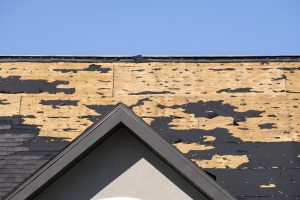 Storms can do serious damage in just minutes—ripping shingles, cracking flashing, and knocking debris onto your roof. Water finds its way in through these vulnerable spots, often soaking insulation and wood framing below.
Common causes of leaks after a storm include missing or lifted shingles, cracked vent flashing, clogged gutters, and roofs that are nearing the end of their lifespan. Homes with roofs over 15 years old are especially prone to leaks during heavy weather.
Even if your roof looks fine from the ground, hidden issues can still be present. That’s why we recommend scheduling roof inspections at least twice a year—especially after a major storm.
Many homeowners have questions about whether roof leaks from a storm are covered by insurance. While every policy is different, here are a few general things to keep in mind:
Mold is sometimes addressed in policies—but typically only if it results from a sudden, covered event and is addressed right away. Drying wet areas, removing damaged materials, and using dehumidifiers immediately can help reduce further problems.
Some homeowners choose to add mold coverage separately—check with your insurance provider to understand your options
Once a storm clears, do a visual inspection of your property—starting from the ground. Never climb onto your roof unless conditions are dry and it’s safe to do so.
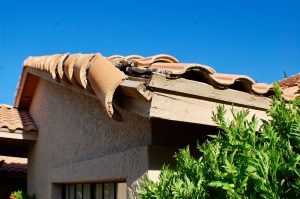 Walk the perimeter of your home and look for shingles on the ground, bent or missing flashing, piles of debris on the roof, and sagging or detached gutters. Standing water along roof edges may indicate clogged drainage. Use binoculars for a better view from a distance. If something looks off, it’s a good time to schedule a professional inspection.
Your attic can reveal problems before they appear in your living space. Watch for wet insulation, musty smells, or discoloration on wood surfaces. Water stains on rafters or small beams of light shining through the roof boards may point to active leaks.
If you have access to a moisture meter or thermal camera, these can help identify areas that need further attention.
While roof damage is often visible on the surface, storms can sometimes affect deeper parts of the home. If you notice ceiling sagging, floor warping, or new cracks around windows or corners, these could be signs that water has been present for too long. Discolored or soft wood framing should also be checked. If you’re unsure, consult with a professional to determine the next steps for repairs.
Dealing with roof damage after a storm can feel overwhelming—but documenting the issue clearly helps move things forward. Taking the right steps after discovering a leak can help you stay organized and support your communication with your insurance provider.
Storm damage isn’t always obvious. It can begin as a slow drip in the attic or show up later as a stain on the ceiling. By the time you notice signs inside your home, the issue may already be affecting the layers beneath your roof.
Roofing professionals know where to look for storm-related damage—both on the surface and in less visible areas. At Big Easy Roof Claims, we’re experienced in identifying damage caused by wind, hail, and heavy rain. Our inspection reports include clear documentation and repair estimates that homeowners often use when speaking with their insurance provider.
We focus on helping you understand what needs to be addressed so you can move forward with confidence.
Storms are unavoidable—but taking a few proactive steps can reduce how much damage they leave behind. Here are a few things you can do now to better protect your roof:
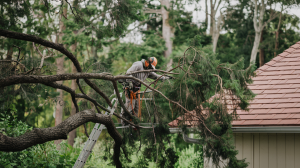 Clean gutters regularly to prevent water buildup
These simple steps can help extend the life of your roof and may reduce the risk of larger, more expensive repairs in the future.
Storm damage can be stressful—but you don’t have to figure it out alone. At Big Easy Roof Claims, we specialize in roof inspections, storm repairs, and detailed documentation to help you take the next step after severe weather. We respond quickly, assess thoroughly, and deliver dependable repair work.
If you’ve been through a storm and suspect roof damage, don’t wait. Schedule a free roof inspection today and get honest feedback from a team that puts your safety first—no pressure, no hassle.
Call now or book online to get started. We’re here to help you protect your roof with clarity, speed, and experience you can trust.
