Houston Roof Inspections for Wind Damage: Signs, Steps & What to Know Before Filing a Claim
When high winds hit Houston, your roof takes the brunt of it. Shingles can lift. Flashing can shift. Small gaps can open that let water in, even if everything looks fine from the ground. Wind damage isn’t always obvious, but it can lead to leaks, mold, and deeper issues if it’s not caught early.
At Big Easy Roof Claims, we specialize in wind damage roof inspections and repairs. Our team knows what to look for and how to document it clearly, accurately, and in a way that helps you move forward. We’ve worked with homeowners and property managers across Houston after major storms, providing clear and reliable reporting.
If you’re concerned your roof may have been damaged by recent winds, we’re here to help. Schedule a free inspection and let us show you exactly what’s going on
Contact us today to learn more!
What We Do
 At Big Easy Roof Claims, our job starts with facts. Our services in Houston focus on wind damage inspections, detailed documentation, and reliable roof repairs, helping homeowners and property managers move forward without delays or confusion.
1. Wind Damage Roof Inspections
We don’t just scan the surface. We check for lifted shingles, shifted flashing, weakened edges, and areas where wind may have forced water in. Every inspection includes photo evidence and written notes, organized and ready for you to share with your insurance company.
2. Wind Damage Roof Repairs
Whether the storm peeled off a few shingles or exposed deeper structural wear, we’re ready to fix it. Our team uses materials that meet Houston’s wind-load standards and repair methods that hold up during the next storm.
3. Support After the Storm
We don’t handle claims, but we provide documentation and inspection reports that you can use when communicating with your insurance company. We stay focused on the roof so you’re not left guessing.
4. Emergency Tarping
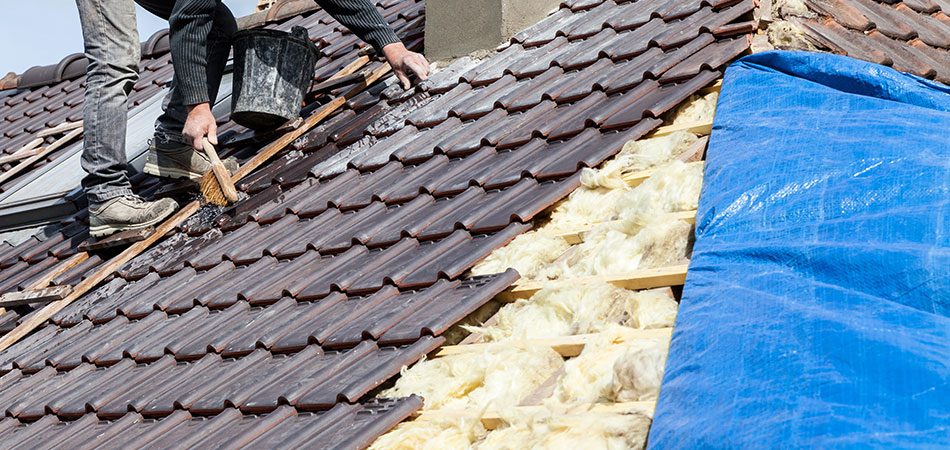
If wind damage leaves your roof exposed, we provide emergency tarping to keep water out and prevent further damage. This gives you time to handle the next steps without rushing into costly repairs.
What Wind Damage Looks Like
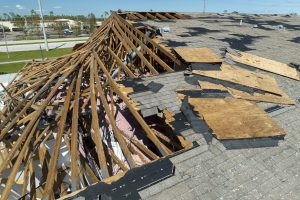 Wind damage doesn’t always leave a trail you can see from the ground. These are the signs we look for and the ones you should never ignore.
- Missing or Lifted Shingles: Shingles may shift, lift, or break free completely in strong winds. Even if they don’t fall off, a lifted edge can break the seal and let water in. We check every row to catch problems early.
- Cracked, Torn, or Curling Shingles: Not all damage is dramatic. We often find shingles with hairline cracks or curling that leaves the roof vulnerable to future storms. These are small details but they matter.
- Flashing and Edge Movement: Wind can bend or shift flashing around chimneys, vents, and roof edges. If it’s not sealed right, water has a clear path inside. We check all these weak points and document anything out of place.
- Granule Loss: Wind and debris can strip the top layer of protection off your shingles. Missing granules usually collect in your gutters and shorten the lifespan of the entire roof. We spot it fast, before it leads to bigger issues.
- Interior Water Stains: Brown spots on ceilings or streaks along walls often mean the damage has already gone too far. Our goal is to catch the warning signs before leaks show up indoors.
- Impact Marks and Roof Debris: Branches, blown debris, and even nearby construction materials can hit your roof during a storm. These impacts often leave behind bruises or soft spots that develop into leaks later.
How We Support You Through the Repair Process
We’re not adjusters but we know how to keep the repair process clear and organized. Here’s how we help after wind damage:
- Step 1: Book a Free Inspection: We’ll visit your home, check for wind damage, and document what we find with photos and notes. You’ll get a full report you can share with your insurer.
- Step 2: Understand What to File: While we don’t interpret policies, we help you gather the roof-related information your adjuster will likely ask for. That way, you’re prepared from the start.
- Step 3: Be Ready for the Adjuster Visit: When the adjuster comes to assess your roof, we’ll be there to explain what we found so nothing gets overlooked. Our focus is on showing the actual scope of roof damage, nothing more, nothing less.
- Step 4: Repair the Roof: Once everything is approved and ready, we get to work. Our crew handles all roof repairs or replacements using materials made for Houston’s wind conditions. No shortcuts. No confusion.
Why Homeowners Trust Big Easy Roof Claims
 Storms hit hard but we know how to respond with calm, clear action.
Here’s why our customers choose us:
- We Know Houston: We work across the Houston area and understand what wind damage looks like here. From code requirements to storm patterns, we’ve seen what local roofs go through.
- We Know How to Document Damage: Most homeowners only deal with wind damage once in a while. We do it every week. That means we know how to organize the information your adjuster needs to see.
- We Respond Fast: From inspections to temporary protection, we move quickly. We know that roof damage doesn’t wait and neither should your repair.
- We Keep it Straight: If you need a small repair, that’s what we recommend. If your roof needs more, we explain why. No pressure. No upselling. Just clear answers you can rely on.
Schedule Your Wind Damage Roof Inspection Today
If your roof was exposed to strong winds, Big Easy Roof Claims can inspect it before small issues turn into bigger problems.
Even if everything looks fine from the ground, wind damage often hides in lifted shingles, bent flashing, or weak roof edges. The sooner it’s found, the easier it is to repair and the better protected your home stays.
Call us today to schedule your wind damage roof inspection in Houston. We’ll walk you through what we find, explain your repair options clearly, and handle the work without delays or guesswork.