
A Houston roof damage insurance claim typically takes 4 to 8 weeks from filing to final payout, depending on documentation, adjuster response, and claim complexity. Big Easy Roof Claims manages the entire process for Houston homeowners — call (832) 924-6251 for a free inspection.
A storm hits your neighborhood, shingles go flying, and now you’re left wondering: how long will this whole insurance claim process actually take? That’s a fair question, and the honest answer is that timelines vary. Most Houston homeowners see their roof damage claims resolved somewhere between a few weeks and a few months, depending on how quickly you act, how thorough your documentation is, and how smoothly your insurer responds.
Big Easy Roof Claims works with Houston homeowners every day to manage storm damage claims from inspection through final repair. If your roof took a hit and you’re not sure where to start, call (832) 924-6251 for a free claim review.
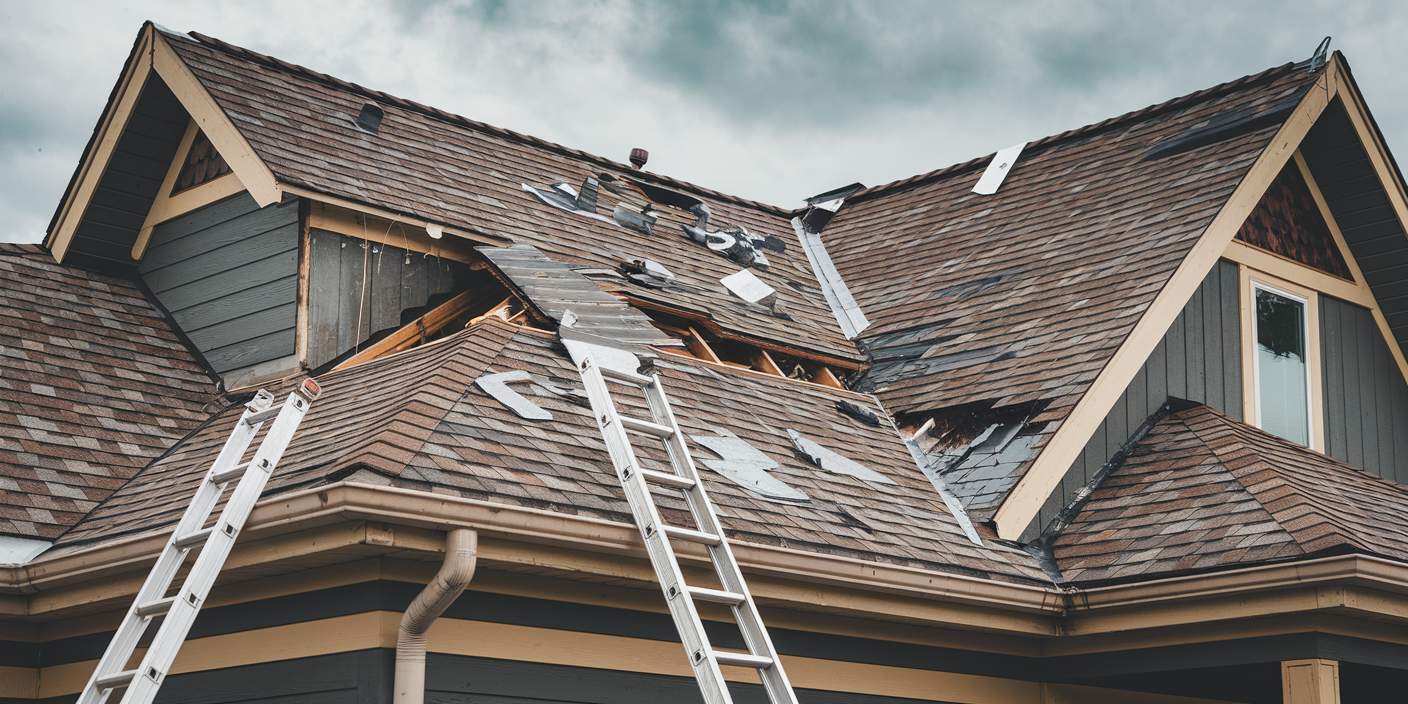
File as soon as possible. Texas homeowners typically have one year from the date of loss to file a claim, but some policies require notice within 30 to 60 days. Waiting too long can give your insurer grounds to deny the claim entirely, even for legitimate storm damage.
The Texas Department of Insurance confirms that standard homeowners policies in the state set a claim-filing window, and missing it forfeits your right to coverage. After any significant storm, document the damage the same day with photos and video. Then contact your insurer or a roofing professional to get an inspection scheduled quickly.
Delaying also increases the risk of secondary damage. Water intrusion from a damaged roof can cause mold within 24 to 48 hours, which may complicate your claim and lead to costly out-of-pocket repairs.
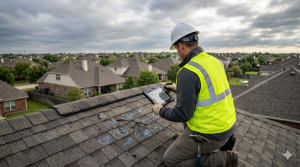
The first week is all about documentation and notification. You report the damage to your insurer, get a claim number, and schedule an inspection. A professional roofing contractor should ideally conduct their own damage assessment before or alongside the insurance adjuster’s visit.
Here is what typically happens in days one through seven:
Having your own documented assessment is not optional. Insurance adjusters often miss or undervalue damage, particularly to gutters, siding, and interior water intrusion.
 The adjuster’s on-site inspection usually takes one to three hours. After that, you can expect the insurer to issue a scope of loss and initial estimate within seven to fourteen business days, though complex claims or high-volume storm seasons in Houston can push that to three to four weeks.
The adjuster’s report becomes the foundation of your settlement offer. That is why having a professional contractor present during the adjuster visit is so valuable. Adjusters working high-volume storm events often move quickly, and damage that isn’t clearly flagged can get left off the scope entirely.
If the adjuster’s estimate seems low, you have the right to dispute it. Texas Insurance Code gives policyholders the ability to challenge underpaid claims, request a re-inspection, or invoke the appraisal clause in their policy.
Consider requesting insurance claims assistance early in the process, so you have a knowledgeable advocate in your corner before the adjuster’s visit rather than after.
Most Texas homeowners receive their first insurance check within two to four weeks after the adjuster completes the inspection and the insurer approves the estimate. Under Texas law, insurers must acknowledge a claim within 15 days, accept or deny it within 15 business days of receiving all documentation, and issue payment within five business days of acceptance.
These state-mandated timelines apply under the Texas Prompt Payment of Claims Act. However, “all documentation” is the key phrase. If your insurer requests additional information, those deadlines reset.
Here is the typical payout structure for roofing claims:
Larger claims often include a mortgage company on the check, which can slow things down by another week or two while the lender processes the paperwork.
Several factors push timelines out significantly. The most common causes of delay are incomplete documentation, missed damage during the adjuster’s inspection, high claim volume after major storms, and disputes over the scope of work or repair costs.
After a significant weather event, Houston insurance companies receive thousands of claims at once. Adjuster schedules back up, and processing times stretch. In 2024, Hurricane Beryl generated over 80,000 insurance claims in the Houston area, and many homeowners waited weeks just for an adjuster appointment.
Other common delay triggers include:
Working with a contractor who manages the full claim process, including supplements and adjuster coordination, is the most reliable way to avoid these bottlenecks.
 Once your claim is approved and materials are ordered, most residential roof replacements in Houston take one to three days of active work. Interior water damage repairs, siding, and gutter work add additional time. Total project completion typically runs two to four weeks from insurance approval to final walkthrough.
Weather is a major variable in the Houston market. Rain delays are common, especially during spring and hurricane season. Scheduling also depends on contractor availability, which tightens significantly after large storm events when crews are in high demand across the region.
For homeowners dealing with both roof damage and interior water intrusion, coordinating repairs through a single contractor prevents the common problem of scheduling gaps between trades.
Knowing the timeline is one thing. Making sure your claim is handled correctly, that all damage is documented, all deadlines are met, and every dollar you are owed is actually recovered, requires the right team in your corner.
Big Easy Roof Claims specializes in storm damage restoration and insurance claim management for Houston homeowners, handling everything from initial inspection to final payment.
Call (832) 924-6251 or visit the contact page to schedule your free, no-obligation claim review today.
Most roof damage claims in Texas take between four and eight weeks from initial filing to final payment and completed repairs. Complex claims involving interior damage, disputed scopes, or supplement negotiations can run three to six months. Acting quickly after the storm and working with a professional contractor shortens the timeline considerably.
Yes. Texas homeowners generally have one year from the date of the storm to file a claim. However, many policies require you to notify your insurer much sooner, sometimes within 30 to 60 days. Always check your specific policy and report damage promptly.
The appraisal clause is a dispute resolution mechanism found in most Texas policies. If you and your insurer disagree on the value of a claim, either party can invoke the appraisal process. Each side hires a licensed appraiser, and if they cannot agree, an umpire decides. This process typically takes four to eight additional weeks.
You can and should make emergency repairs, such as tarping exposed areas, to prevent additional damage. Document everything you do with photos and save all receipts. However, do not begin full replacement work before the adjuster inspects the damage, as this can jeopardize your claim.
You can request a re-inspection, provide your contractor’s independent assessment, or invoke the appraisal clause. Insurers are not the final word on what is covered. A contractor experienced with insurance claims can identify missed damage and submit a supplement to your insurer on your behalf.
No. Texas insurance rates are regulated at the state level and cannot increase because you filed a claim for an act of nature, such as hail or wind damage. Your premiums are not tied to individual storm claims.
When a contractor discovers additional damage during repairs that was not included in the original scope, they submit a supplement to your insurer. The insurer reviews, and if approved, issues an additional payment. This process adds two to four weeks but ensures you receive full coverage for all storm-related repairs.
